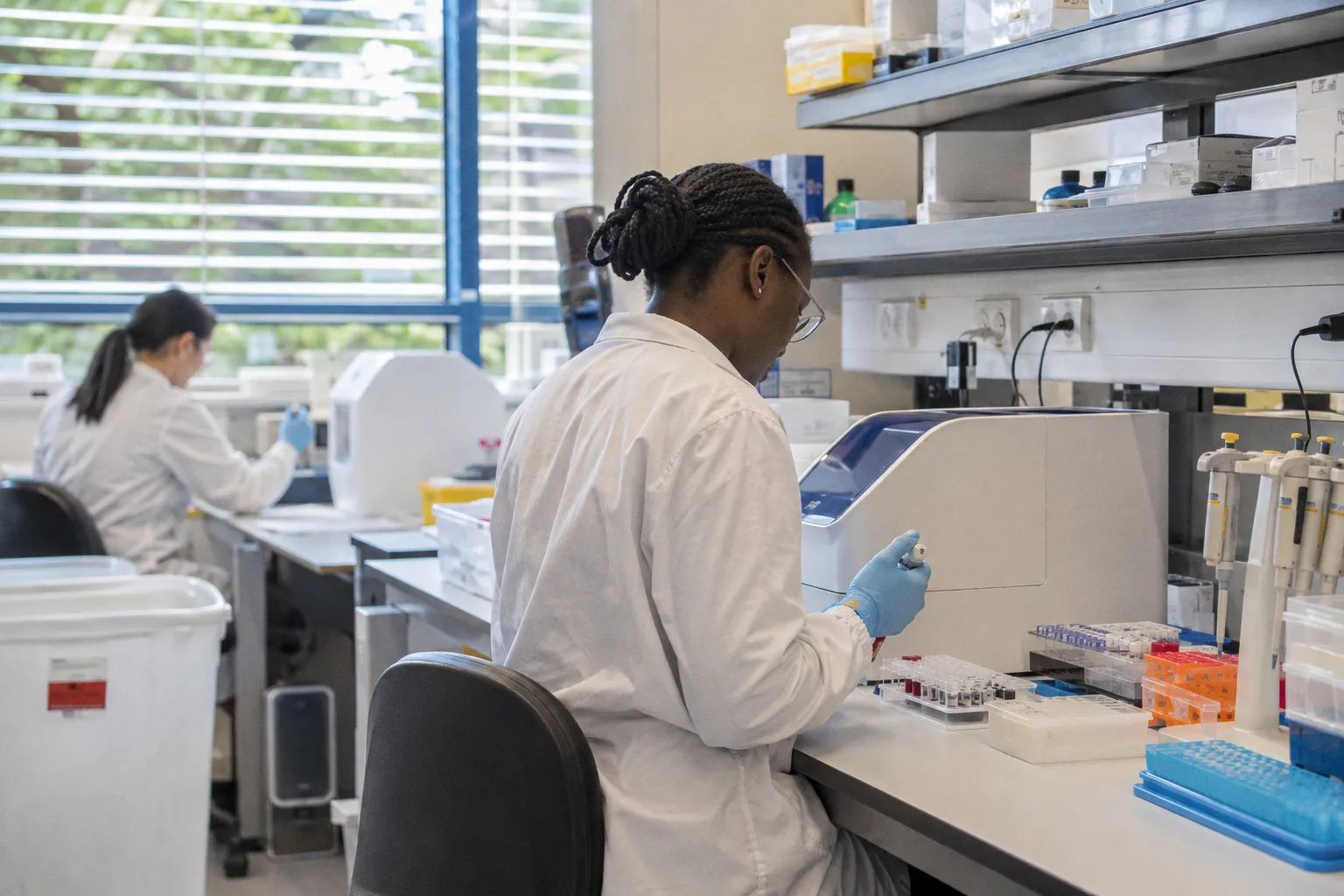
By the time a stool culture finally tells you something useful, you've usually answered a dozen stat pages and a few clinician callbacks — which is why this week's Cureus publication on molecular detection of gastrointestinal pathogens using a multiplex GI panel, and how those detections track with patient demographics and clinical features, landed with such quiet resonance at my bench.
Why this paper earns a closer read
Most hospital microbiology labs are now running, or considering, some version of a syndromic molecular stool panel. The promise is straightforward: rather than watching plates incubate for days and hoping for organism growth, the bench can extract nucleic acid from a specimen and screen a wide range of bacterial, viral, and parasitic targets in a single shift. For techs who've built careers around inconsistent stool submissions, that workflow change is significant. What I appreciate about the Cureus framing is its insistence on pairing molecular detections with demographic and clinical context — a useful reminder that panel targets aren't equally distributed across patient populations, and that pretest probability still belongs at the bench, even when the instrument hands you an answer in an hour.
The wider molecular ID landscape
This study isn't arriving in isolation. A Journal of Clinical Microbiology paper surfaced through JoVE Visualize evaluated clinical outcomes after implementation of the BioFire Blood Culture Identification 2 multiplex PCR panel for gram-negative bloodstream infections, specifically asking whether rapid molecular identification shortened time to appropriate antibiotic therapy. Infectious Disease Special Edition similarly ran a piece on rapid diagnostics and rapid antimicrobial susceptibility testing in the era of escalating resistance, a useful companion read for anyone thinking about how GI panels fit into a broader antimicrobial stewardship conversation. And on the policy side, ARPA-H announced four contracts worth up to $98.5 million through its RAPID program to develop AI-enabled infrastructure for rare-disease diagnosis, including representative datasets, diagnostic models, secure data infrastructure, and benchmarking of precision-medicine technologies.
A note for the morning shift
If your lab is considering a multiplex GI panel — or already running one — the practical nudge from this week's reading is to keep demographic and clinical context front and center when results land in front of you. A panel can identify an organism the culture would have missed, and it can also surface detections in patients whose symptoms have another explanation entirely. Pull the chart, look at the presentation, and don't let a positive target outshine the bigger clinical picture. That's bench-level wisdom this study quietly reinforces — and it's the kind of nuance that makes the difference between a thoughtful result and a reflex one.