At the Molecular Imaging World Summit 2026, the convergence of next-generation imaging and sequencing platforms signaled a decisive shift: diagnostic precision is no longer merely about detection, but about generating the actionable, multi-layered data required to guide increasingly sophisticated therapeutic interventions. For clinical laboratories and pathology services, this evolution demands a reevaluation of both technology procurement and data integration workflows.
The PET/CT Paradigm Shift: From Staging to Therapy Guidance
Research presented at the summit underscores a fundamental reimagining of PET/CT's clinical role. High-sensitivity, large axial field-of-view (LAFOV) scanners are enabling a transition from traditional anatomic staging to functional, therapy-guiding imaging. One nuclear medicine physician highlighted that PSMA imaging in prostate cancer succeeds because it directly informs and expands therapeutic options, including both radionuclide and surgical interventions.
Looking forward, experts envision antibody-based and nanobody-based tracers moving beyond simple tumor antigen targeting to include immune cell mapping. This "immunoPET" approach aims to provide a comprehensive picture of the tumor microenvironment, critical for predicting response to immunotherapies. The high sensitivity of LAFOV scanners is deemed essential for detecting low-expression targets and performing multi-timepoint imaging, which can reduce radiation doses and support early-phase clinical trials. This extends beyond oncology into new cardiovascular care pathways, establishing total-body PET/CT as a cornerstone of advanced molecular diagnostics.
Roche's AXELIOS: A Multifaceted Challenge to Diagnostic Workflows
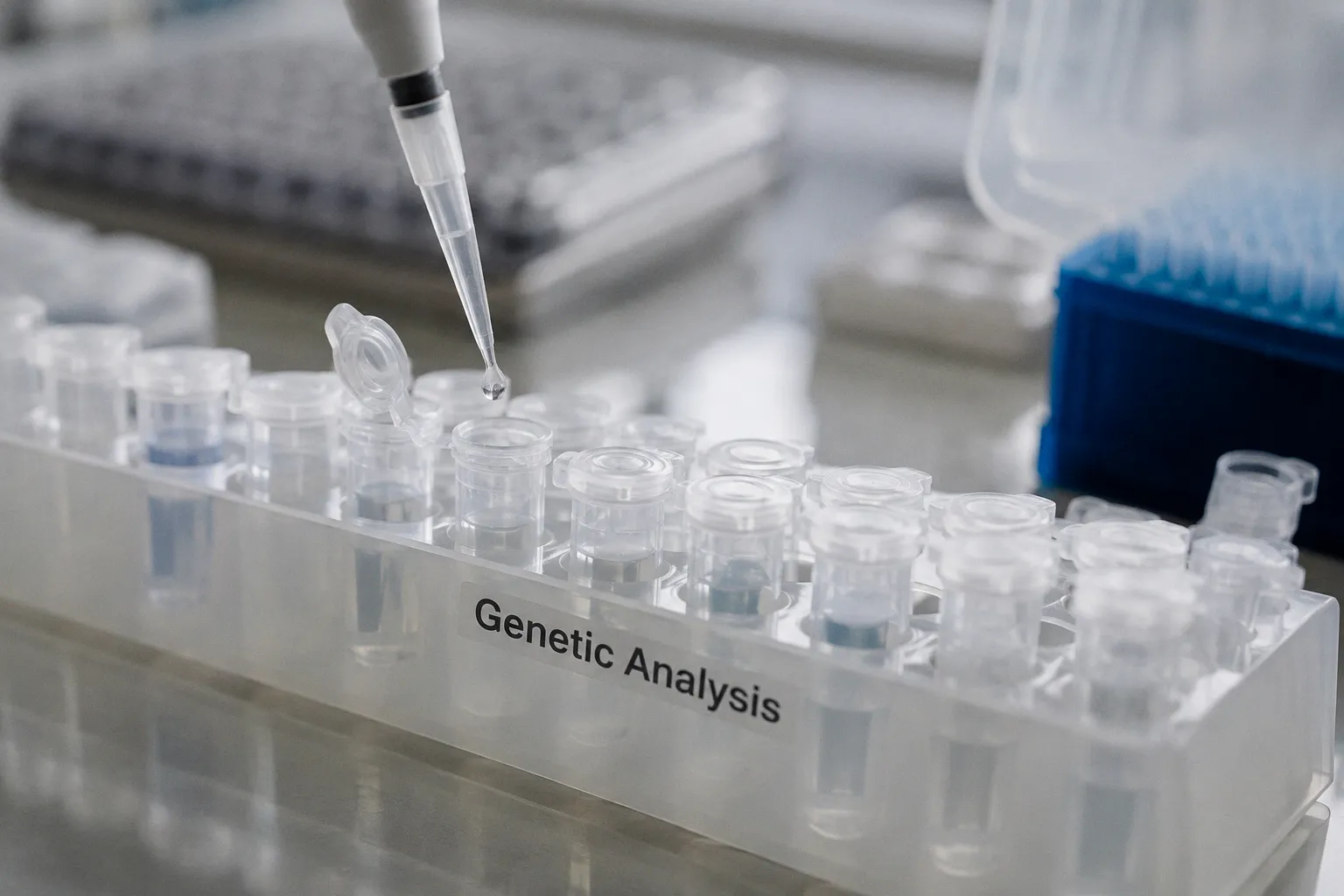
In a parallel development, Roche Diagnostics' launch of its AXELIOS next-generation sequencing platform represents more than a new instrument entry; it is a strategic move to integrate high-performance genomics into its existing, vast clinical lab footprint. The platform's reported capability for rapid, clinical-grade whole-genome sequencing positions it as a potential disruptor in a market long dominated by established players.
This sequencing initiative is part of a broader diagnostics strategy spanning the disease continuum. It is complemented by recent regulatory milestones, such as a blood-based Alzheimer's biomarker test, and efforts to automate complex technologies like mass spectrometry for routine labs. The common thread is the drive to make sophisticated diagnostics—from blood-based screens to comprehensive genomic profiling—practical and accessible for everyday clinical decision-making, potentially reshaping lab economics and service menus.
Integrating Advanced Diagnostics: The Laboratory's Evolving Mandate
The simultaneous advances in molecular imaging and sequencing highlight a critical need for integrated diagnostic pathways. The future points toward a stratified model where PET/CT informs initial therapeutic selection and immune response profiling, while platforms like AXELIOS provide the genomic foundation for risk assessment, definitive diagnosis, and recurrence monitoring.
For pathology and laboratory services, this means preparing for increased demand for high-complexity, multi-modal testing. The technical challenges are significant, involving not only instrument acquisition but also bioinformatics pipelines, data interoperability between imaging and genomic datasets, and the development of new assay validation frameworks. The laboratories that will lead are those building the infrastructure to synthesize these disparate data streams into a coherent, actionable diagnostic report for clinicians.