The Hardware Gets a Clearance Stamp
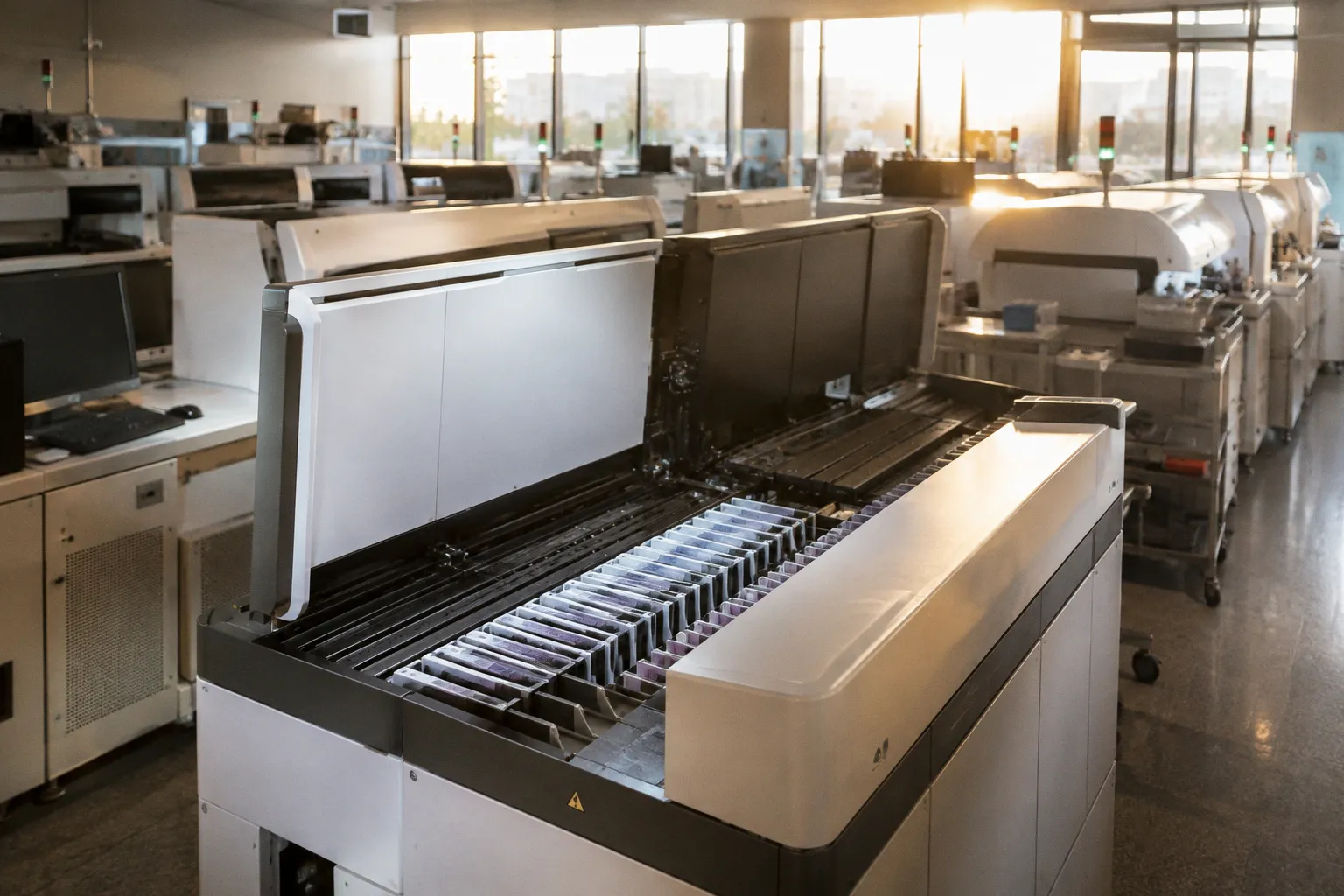
Agilent has secured FDA clearance for its S540MD Slide Scanner System and is now launching it in the U.S. market. The core proposition is scale: the scanner holds up to 540 slides with continuous loading, designed to keep high-volume labs moving without constant manual intervention. It features automated scanning modes and advanced tissue detection, aiming to digitize slides efficiently. Notably, this is an Agilent-branded version of the Hamamatsu NanoZoomer S540MD system.
Beyond the Spec Sheet: What It Means for Your Workflow
The move is less about a single device and more about Agilent deepening its stake in the digital pathology stack. The company frames this as helping labs "streamline diagnostic processes" and prepare for "AI-powered workflows." For lab managers, the value proposition is the promise of a scanner that integrates with existing operations and staining workflows. The system was previously launched in select European markets earlier this year and is now available across the U.S. and 14 European countries.
The Reality Check: Adoption Hurdles Remain
Let's be clear: a 540-slide carousel doesn't magically solve digital adoption. The friction isn't just in the scanning—it's in the storage, validation, pathologist buy-in, and integration with your LIS. Agilent is betting that by removing the hardware bottleneck, labs can focus on these larger, more stubborn integration challenges. The question for you isn't just capacity, but whether this level of automation is the piece that finally makes your digitization project pencil out.
For labs evaluating hardware, this system deserves a stress-test in your specific context. Does its workflow compatibility hold up? The market analysis points to growing demand, but the real test is in deployment.