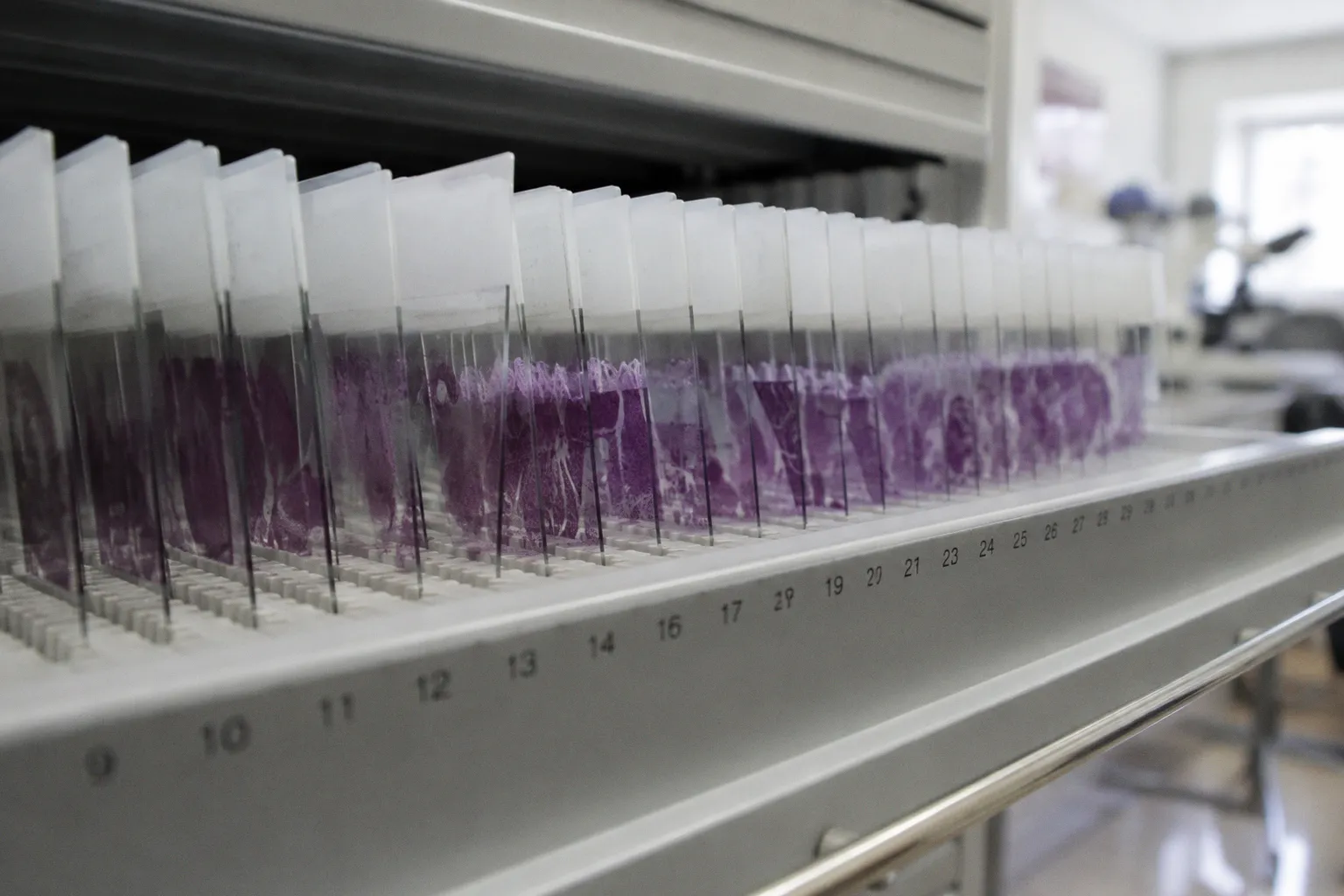
I've been waiting for something like this to land in my reading queue, and according to a piece in Virchows Archiv, an international pathology working group has finally put practical guidance on paper for anyone running regulatory-approved AI in a diagnostic histopathology lab. It's the kind of document I've wished existed through three different AI pilot projects I've watched stumble — and what strikes me is how directly it speaks to the day-to-day reality of bench work, not the glossy brochure version that vendors tend to circulate.
What the guidance actually covers
The working group's recommendations walk a reader through selecting, locally verifying, implementing, governing, and continuously monitoring AI systems that have already cleared regulatory approval. If you've ever stood at the seam between a vendor's validation dossier and your own lab's quirks, you'll appreciate that they didn't stop at a simple plug-and-play approach. The guidance explicitly names performance drift — that slow, insidious shift that creeps in after a software update, after a scanner gets swapped out, after your H&E staining drifts a shade warmer, or after a workflow change ripples upstream into the tissue itself. Those are not edge cases; they're Tuesday mornings.
Why this conversation belongs on every bench
Here's what caught my attention as someone who spends more time in the microbiology world than the histology suite: the same logic applies to the clinical decision-support tools we're already running on the other side of the lab. A separate study reported by The Pathologist found that decision-support software deployed across 15 U.S. pediatric intensive care units cut endotracheal respiratory culture use by 16 percent, with no detectable increase in adverse outcomes. That's an intervention that quietly reframes how we read colonization versus infection — and it surfaces exactly the same governance questions the Virchows Archiv authors are trying to answer for AI in histology. When a tool nudges clinician behavior at the bench, who owns the downstream result?
The practical takeaway
If your lab is running, or considering, any algorithm that touches a patient result, the working group's checklist distills to a few habits worth building now: verify locally before you trust it, document the pre-analytic variables that could nudge performance, and treat monitoring as a routine workflow rather than something bolted on after go-live. The era of trusting a successful demo as proof of ongoing performance is quietly ending, and I, for one, am not sad to see it go. The next conversation worth having in your lab isn't whether to buy an AI tool — it's who audits it once it's quietly running in the background.