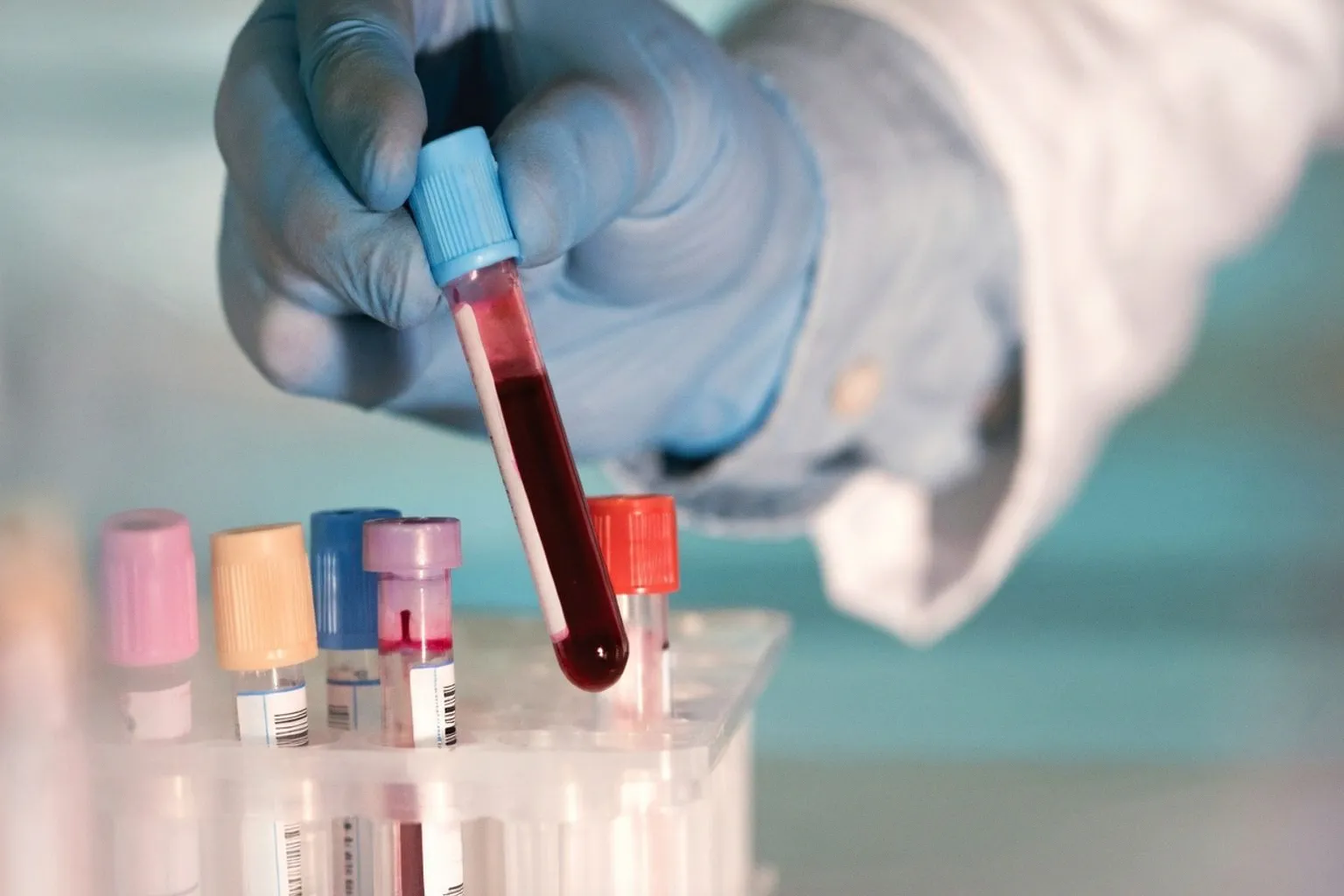
According to New Telegraph's reporting from the WADIAP conference in Lagos, the numbers came out plainly: Nigeria has trained roughly 800 pathologists over the years, but fewer than 200 are still practicing in the country. For a population north of 200 million, that is not a workforce gap. It is a diagnostic vacuum — and the pathologists gathered at the 16th Annual General Meeting of the West African Division of the International Academy of Pathology made clear it is already reshaping cancer care.
The pipeline is leaking
Prof. Fatimah AbdulKareem, President of WADIAP, told the gathering that the country is losing specialists faster than it trains them. The training funnel itself is stalling: a recent residency advertisement at Lagos University Teaching Hospital reportedly attracted only two applicants, and neither showed up. Those who do qualify, she added, routinely exit for jobs abroad. Prof. Francis Faduyile, a senator and anatomic pathologist, pegged the active histopathology workforce at closer to 150 and blamed poor pay, insecurity, and working conditions that push specialists out.
This is not a slow bleed. It is an evaporation event.
Precision medicine is a pathology product
Here is what the hype cycle keeps skipping: targeted therapy, molecular tumor profiling, and AI-assisted workflows all run on the upstream work of a trained pathologist. Anyone who has sat through a deployment review knows this — the slide scanner does not interpret; the algorithm does not validate. AbdulKareem pushed back on the AI-replacement narrative directly, noting that pathologists will continue to be relevant even as AI tools arrive. But she framed the technology gap as a workforce multiplier, not a substitute. Without enough qualified eyes on slides, deployment of molecular and digital tools becomes deployment of expensive dashboards sitting on empty benches.
The vendor push is not slowing down. According to a recent SME & Entrepreneurship Magazine report, Subang Jaya Medical Centre and AstraZeneca rolled out what they describe as Malaysia's first clinical AI-assisted HER2 computational pathology workflow, using Mindpeak software integrated into routine whole-slide imaging. Standardized HER2 scoring is exactly the kind of workflow that needs a pathologist in the loop, not one that operates without one. The contrast is instructive: glossy global rollout on one side, a residency program with no applicants on the other.
What to watch
Two threads matter for clinical labs everywhere. First, workforce modeling: if Nigeria's ratio of roughly one pathologist per million people is a warning sign, similar demographic curves are quietly running in other low- and middle-income systems, and arguably in parts of high-income practice where demand outpaces training slots. Second, the friction point between tech adoption and workforce readiness. An openPR headline projects a lung cancer diagnostics market reaching USD 9.55 billion by 2035, and that growth assumes the diagnostic labor exists to absorb it. It does not — not in Lagos, and arguably not in several systems scaling similar tools without auditing the bench.
The verdict on whether AI and molecular pathology will close the access gap is not close. They will not, on their own. The WADIAP speakers named the actual bottleneck: trained humans, in seat, with working conditions worth staying for. Everything else is a deployment story on top of an unresolved one.